

The Canadian climate is a tale of two extremes. While winters can be brutally cold and snowy, summers, particularly in urban areas, can reach scorching temperatures with high humidity. This dramatic seasonal shift creates a unique challenge for homeowners: how to maintain a comfortable and healthy living environment year-round, and what are the ideal AC settings and Modes.
The Rise of the AC Hero in Canada
While ACs were once considered a luxury in Canada, they have become increasingly popular over the past few decades. This surge in popularity can be attributed to several factors:
A Warming Climate
Average summer temperatures in Canada are on the rise. Data from Environment Canada shows a clear trend, with the average summer temperature in major cities increasing by 1-2 degrees Celsius over the past 50 years. This rise in temperature makes air conditioning a more appealing option for maintaining comfort during the hottest months.
Urbanization on the Rise
As Canada’s population continues to shift towards urban centers, the “heat island effect” becomes a more significant concern. This phenomenon occurs when buildings, asphalt, and concrete absorb and re-radiate heat, creating a microclimate that’s several degrees warmer than surrounding areas. In densely populated cities, this effect intensifies the need for cooling solutions like air conditioners.
Energy Efficiency Takes Center Stage
Advancements in technology have led to the development of more energy-efficient AC units. This, coupled with government rebates and incentives, has made ACs a more financially viable option for homeowners who are increasingly conscious of their energy consumption.
Health Concerns Take Precedence
The importance of maintaining a comfortable indoor temperature for overall health and well-being is becoming increasingly recognized. For individuals with respiratory issues, allergies, or heart conditions, extreme heat and humidity can be debilitating. ACs can significantly improve quality of life by creating a cool and comfortable environment.
Ducted vs. Ductless AC Systems: Choosing the Right Fit
There are two main types of AC systems available in Canada, each with its own advantages and disadvantages:
Ducted AC Systems
These traditional systems cool the air centrally and distribute it throughout the home via a network of ducts. They are generally more cost-effective for larger homes as the initial installation cost is typically lower. However, they require existing ductwork or the installation of new ducts, which can be a significant undertaking in older homes. Additionally, maintaining and cleaning ductwork can add extra costs and maintenance considerations.
Ductless AC Systems (Mini-Splits)
These individual units are installed in specific rooms or areas and cool the air directly, eliminating the need for ductwork. They are a good option for smaller homes, additions, or areas with existing ductwork issues. They also offer more zoned temperature control as each unit can be controlled independently. However, ductless systems typically have a higher upfront cost per unit compared to ducted systems.
Toronto’s Climate: A Case Study for AC Maintenance
Let’s take a closer look at Toronto, Canada’s largest city, as a case study. Toronto experiences a humid continental climate, characterized by hot and muggy summers with average highs reaching the mid-to-high 20s Celsius (80s Fahrenheit). While winters can be cold, with average lows dipping below freezing, the summer heat waves can be particularly oppressive. For many Torontonians, ACs are essential for maintaining a comfortable and healthy living environment.
However, the freeze-thaw cycles and fluctuating temperatures in Canada put a strain on AC units. The rapid temperature drops in fall can cause moisture on the evaporator coil to freeze, restricting airflow and reducing cooling efficiency. Conversely, the summer heat can lead to low refrigerant levels or clogged drainage systems if proper maintenance isn’t followed.
Defects Caused by Canada’s Harsh Weather: Protecting Your AC
The freeze-thaw cycles and fluctuating temperatures in Canada can take a toll on AC units. Here are some common defects that can occur:
- Frozen Coils: Rapid temperature drops in fall can cause moisture on the evaporator coil to freeze, restricting airflow and reducing cooling efficiency. Regular cleaning of the coils and maintaining proper airflow around the unit can help prevent this.
- Low Refrigerant Levels: Leaks or improper maintenance can lead to low refrigerant levels, affecting cooling capacity. Regular professional inspections can detect and address this issue before it significantly impacts performance.
- Clogged Drainage System: Dirt, dust, and mold buildup can clog the condensate drain pan, leading to water leaks and potential damage. Regular cleaning of the drain pan and drain line is essential to prevent this.
- Electrical Issues: Power surges or fluctuations during thunderstorms can damage electrical components like the compressor or control board. Installing surge protectors for your AC can help minimize this risk.
- Heat Pump Failure (for heat pump systems): Extreme cold can put extra strain on the defrost cycle of heat pumps, potentially leading to failure. Following proper winterization procedures and ensuring the unit is functioning optimally before the cold weather arrives is crucial.
The Maintenance Advantage: Keeping Your AC Running Smoothly
To ensure optimal performance, prevent breakdowns, and extend the lifespan of your AC unit, proper maintenance becomes crucial in the Canadian climate. Here are some key maintenance tips for ACs in Canada:
Schedule Regular Professional Maintenance
Aim for annual inspections and cleaning by a qualified HVAC technician. This ensures your AC functions optimally and identifies potential issues before they escalate into major repairs. Early detection and preventive maintenance can save you money in the long run.
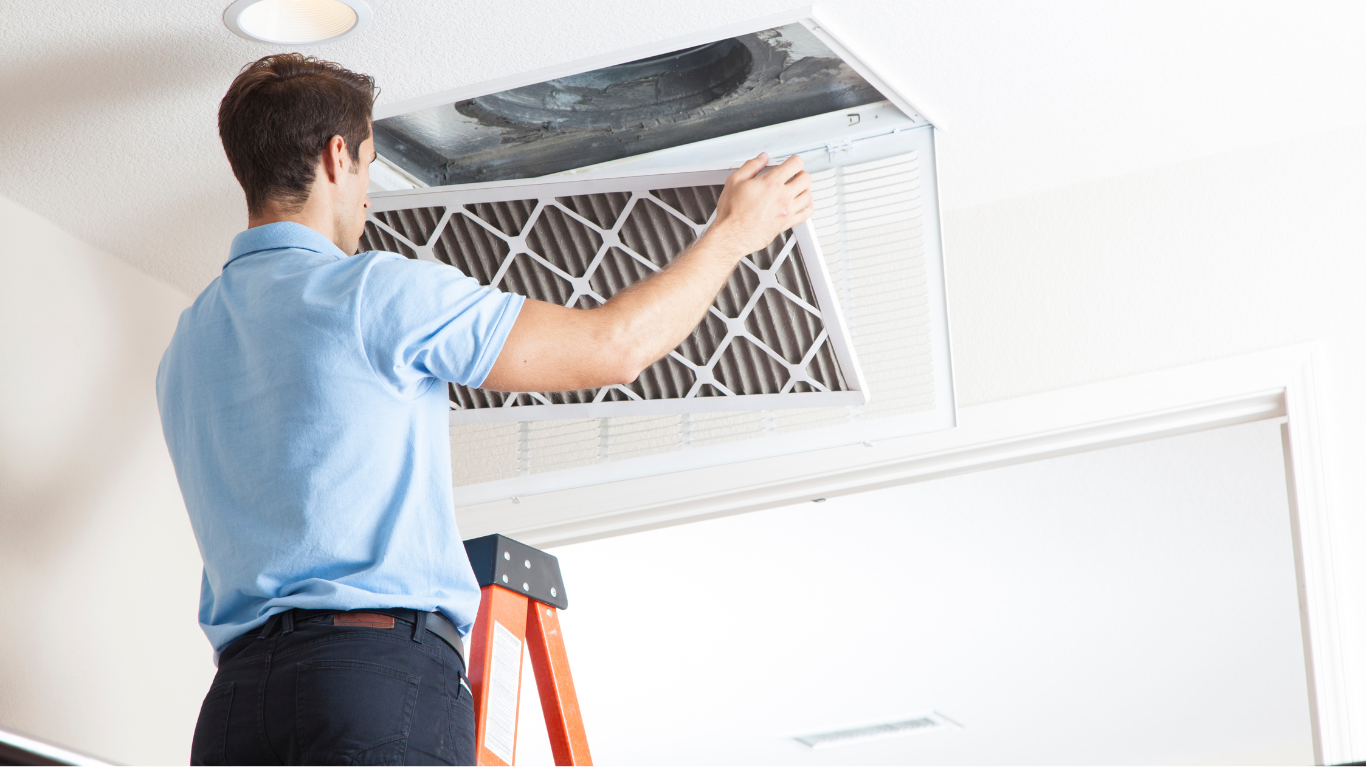
Change Air Filters Regularly
Don’t underestimate the power of a clean air filter! Dirty air filters impede airflow and reduce cooling efficiency, forcing your AC to work harder to maintain the desired temperature. This translates to higher energy bills and unnecessary wear and tear on the unit. Replace air filters according to the manufacturer’s recommendations, and consider doing so more often during peak usage periods like the hottest months of summer.
Clean the Coils
The evaporator and condenser coils are vital components responsible for heat exchange. Over time, they can accumulate dust, dirt, and debris. Gently clean these coils with a soft brush or vacuum cleaner to remove any buildup. A clean coil ensures optimal heat transfer and improves cooling efficiency.
Clear Obstructions: Ensure there is no blockage around the outdoor unit that could restrict airflow and hinder cooling performance. Regularly trim back any overgrown vegetation that might be encroaching on the unit. Proper airflow is essential for efficient cooling.
Winterize Your Unit (if applicable)
For heat pump systems, which can function as both heaters and air conditioners, following the manufacturer’s instructions for proper winterization is crucial. This often involves draining the condensate line and covering the outdoor unit to protect it from the harsh winter elements. Neglecting to winterize your heat pump can lead to damage during cold weather and costly repairs.
Understanding Your AC’s Language: AC Settings and Modes
Modern AC units come equipped with a variety of settings and modes to optimize comfort and efficiency. Here’s a breakdown of some key features to help you navigate your AC’s control panel:
Seasonal Settings
Many ACs offer “Auto” or “Cool” modes for summer and a “Heat” or “Fan” mode for winter (applicable to heat pumps). These modes automatically adjust settings to maintain the desired temperature, saving you the hassle of manual adjustments.
Temperature Settings
While Canada might not be known for scorching summers, staying comfortable during hot spells is key. But how cool should you really set your AC? Here’s the scoop:
- Sweet Spot: The Canadian government recommends setting your thermostat around 25°C (77°F) for a balance between comfort and energy efficiency.
- Going a Degree Greener: Each degree lower can significantly increase your energy bill. Consider raising the temperature a notch or two if you can tolerate it.
- Listen to Your Body: Some people prefer it cooler, while others are fine with slightly warmer settings. Adjust the temperature based on your personal comfort level.
- Humidity Matters: If your area experiences high humidity, a slightly cooler setting might feel more comfortable. Dehumidification modes on some ACs can also help combat muggy air.
Remember, the ideal temperature is a balance of comfort and efficiency. Experiment to find the sweet spot that keeps you cool without breaking the bank!
Air Dryness Settings
Some ACs offer dehumidification modes that help remove excess moisture from the air. This can be beneficial in humid climates to improve comfort and prevent mold growth. Dehumidification can also make a cool room feel even cooler by removing the muggy feeling associated with high humidity.
Common AC Modes and Symbols
Let’s decipher some of the common modes and symbols you might encounter on your AC’s control panel:
- Fan Mode: This mode simply circulates the existing indoor air without activating the cooling system. It’s a good option for circulating air on cooler days or nights when full cooling isn’t necessary.
- Auto Mode: This mode takes the guesswork out of temperature control. It automatically adjusts the temperature and fan speed based on the pre-set settings and the room temperature to maintain your desired comfort level.
- Sleep Mode: This mode is designed to provide a comfortable sleeping environment. It typically involves gradually increasing the temperature throughout the night, while still maintaining a cool enough setting for restful sleep. This approach can also help reduce energy consumption during the night.
- Dry Mode (Dehumidification): This mode removes moisture from the air, improving comfort in humid conditions. It’s a good option for combating that muggy feeling on hot and humid days.
- Eco Mode: This mode prioritizes energy efficiency by adjusting cooling settings to minimize energy consumption. This may involve slightly higher indoor temperatures or slower cooling cycles, but it can significantly reduce your energy bills.
- Turbo Mode: This mode provides a rapid cooling boost, often used to quickly cool down a hot room after the AC has been off for a while. It’s not meant for continuous use, as it can put extra strain on the unit and increase energy consumption.

AC Settings for Smoke and Polluted Air
While ACs primarily cool the air, some models offer features to improve indoor air quality (IAQ) during smoky or polluted conditions. Here’s what you can do to mitigate the effects of smoke and pollution:
Recirculation Mode:
This setting closes the outdoor air intake and circulates the existing indoor air through the filter. This helps trap smoke and pollutants within the filter, preventing them from entering your home. However, it’s crucial to have a high-quality air filter installed for this mode to be effective. A standard air filter might not be able to capture the smaller particles associated with smoke and pollution.
High-Efficiency Air Filter:
Standard air filters typically capture dust, pollen, and other larger airborne particles. For smoke and pollution control, consider upgrading to a high-efficiency air filter with a MERV (Minimum Efficiency Reporting Value) rating of 13 or higher. These filters can capture smaller particles like smoke, allergens, and even some bacteria, improving overall indoor air quality.
Air Purifier Integration:
Some AC systems can integrate with standalone air purifiers. This combination can significantly improve IAQ by filtering out smoke, pollutants, and allergens from the air that circulates through your home.
Conclusion: A Cool and Healthy Investment
Air conditioners can significantly enhance comfort and well-being in Canadian homes. By understanding usage scenarios, prioritizing maintenance, and utilizing the various settings available, you can optimize your AC’s performance and ensure a cool, healthy, and comfortable environment year-round. Remember, a well-maintained AC unit not only functions more efficiently but also lasts longer, saving you money in the long run.